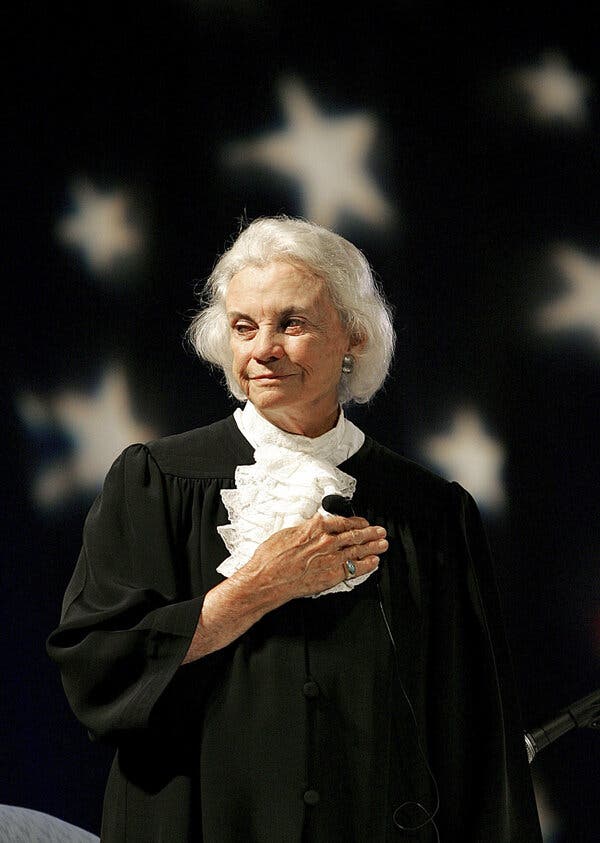
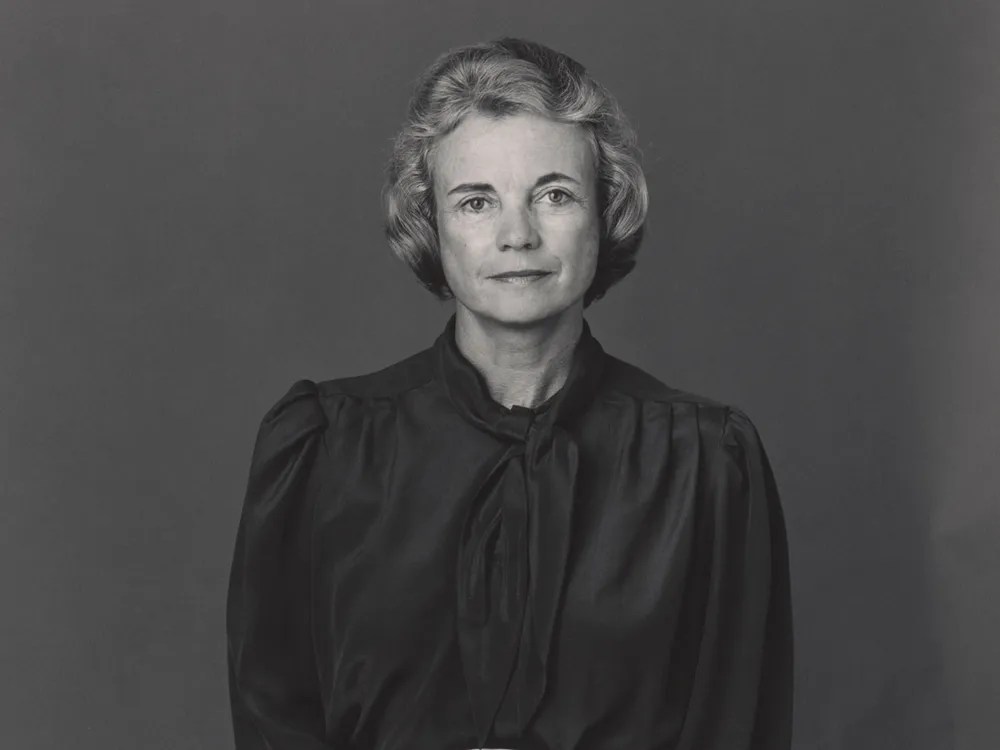
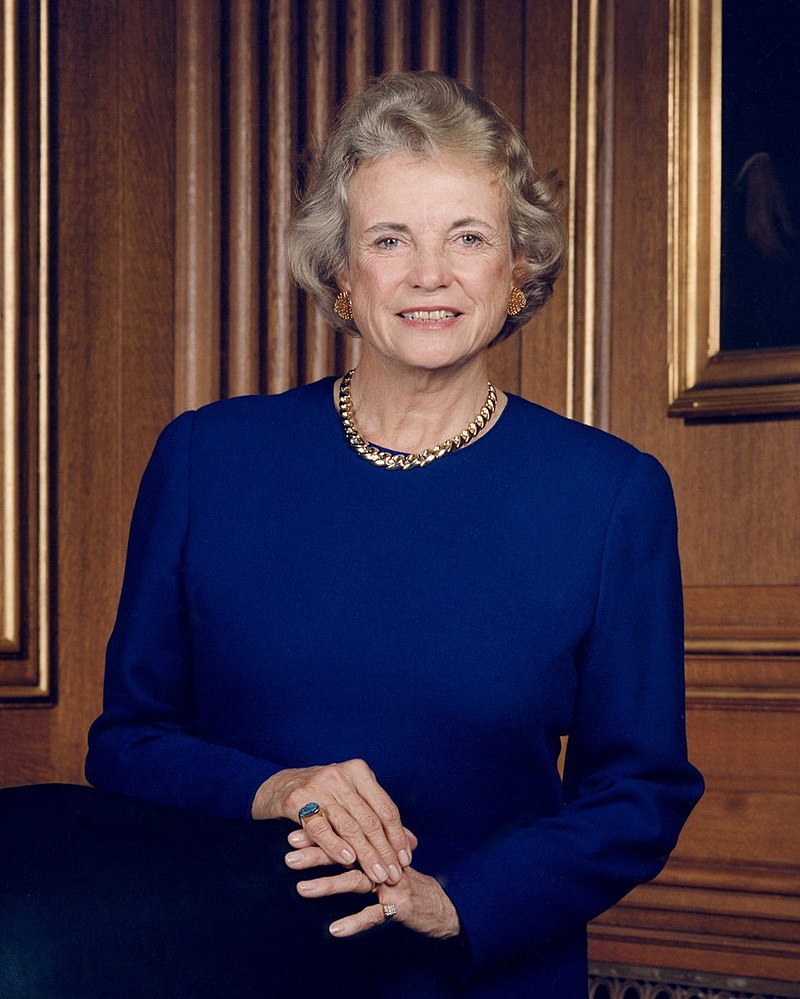
Former Justice Sandra Day O’Connor, first woman on the Supreme Court, dies
“Society as a whole benefit immeasurably from a climate in which all persons, regardless of race or gender, may have the opportunity to earn respect, responsibility, advancement, and remuneration based on ability.”
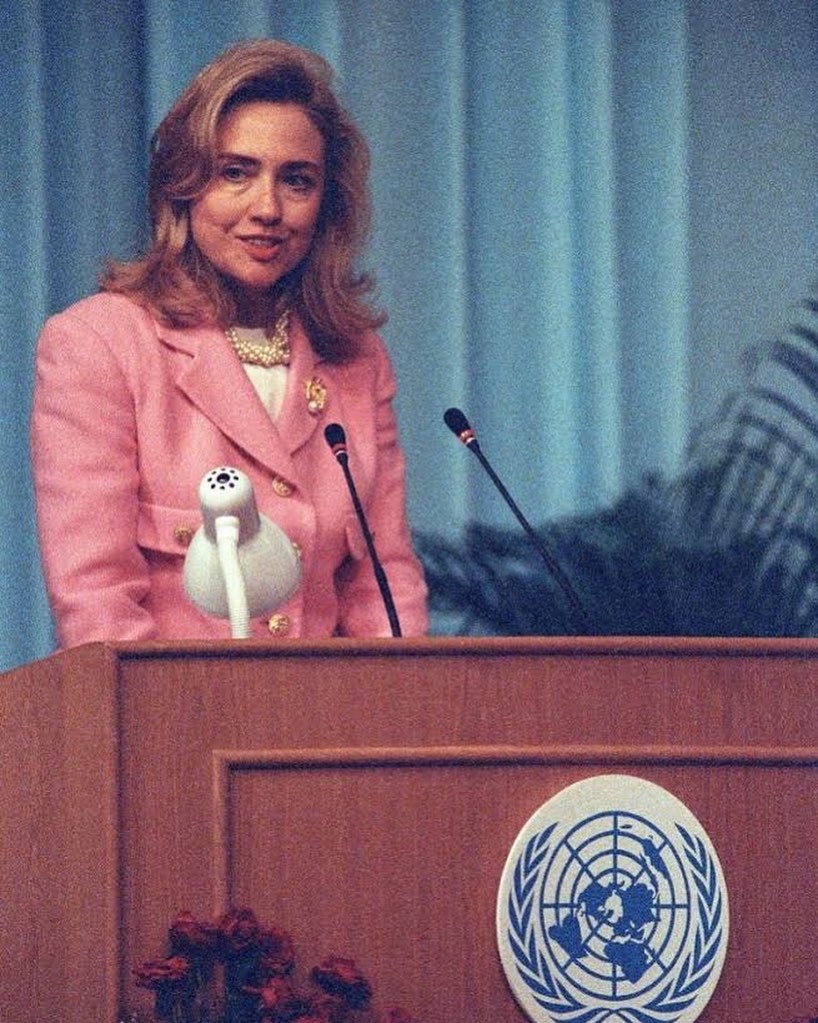
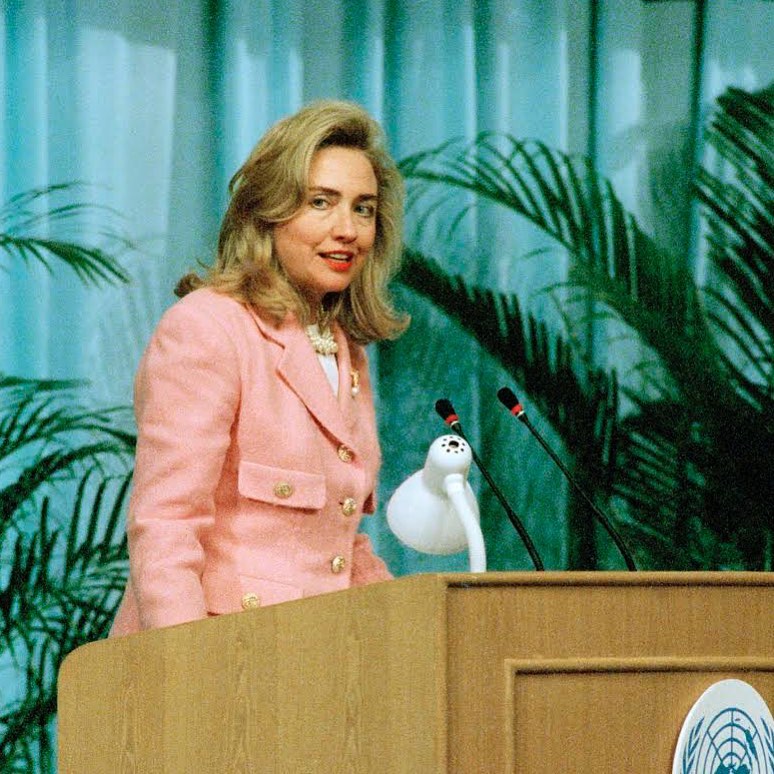
“If there is one message that echoes forth from this conference, let it be that human rights are women’s rights and women’s rights are human rights, once and for all.”
-Hillary Rodham Clinton
Women’s rights are human rights” is a phrase used in the feminist movement. The phrase was first used in the 1980s and early 1990s.
Its most prominent usage is as the name of a speech given by Hillary Rodham Clinton, the First Lady of the United States, on September 5, 1995, at the United Nations Fourth World Conference on Women in Beijing, China.
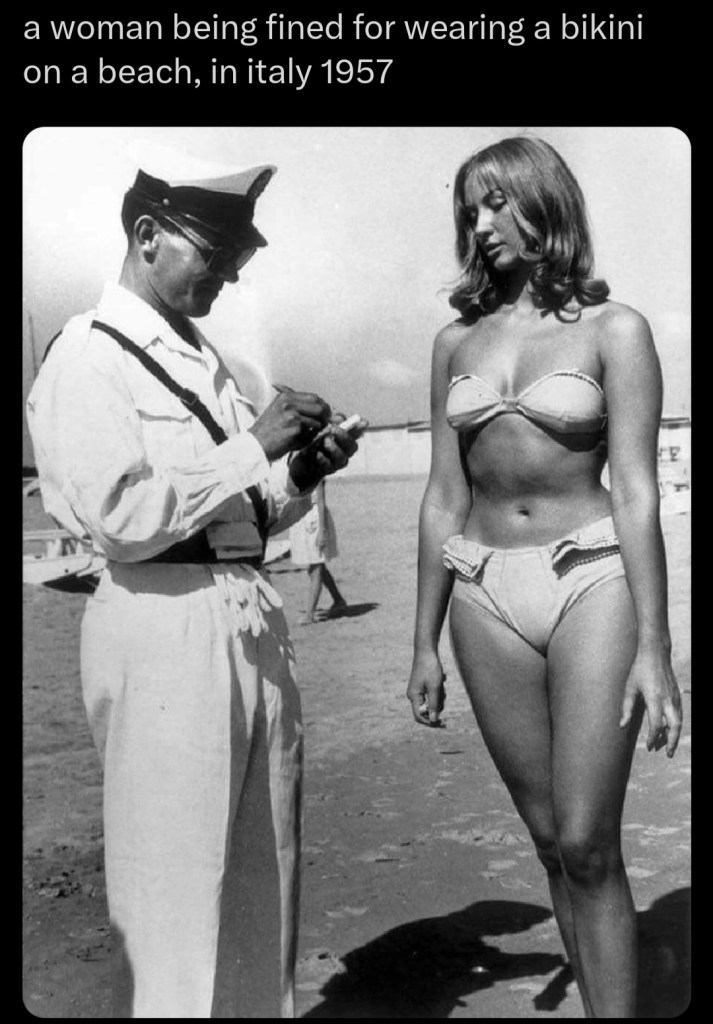
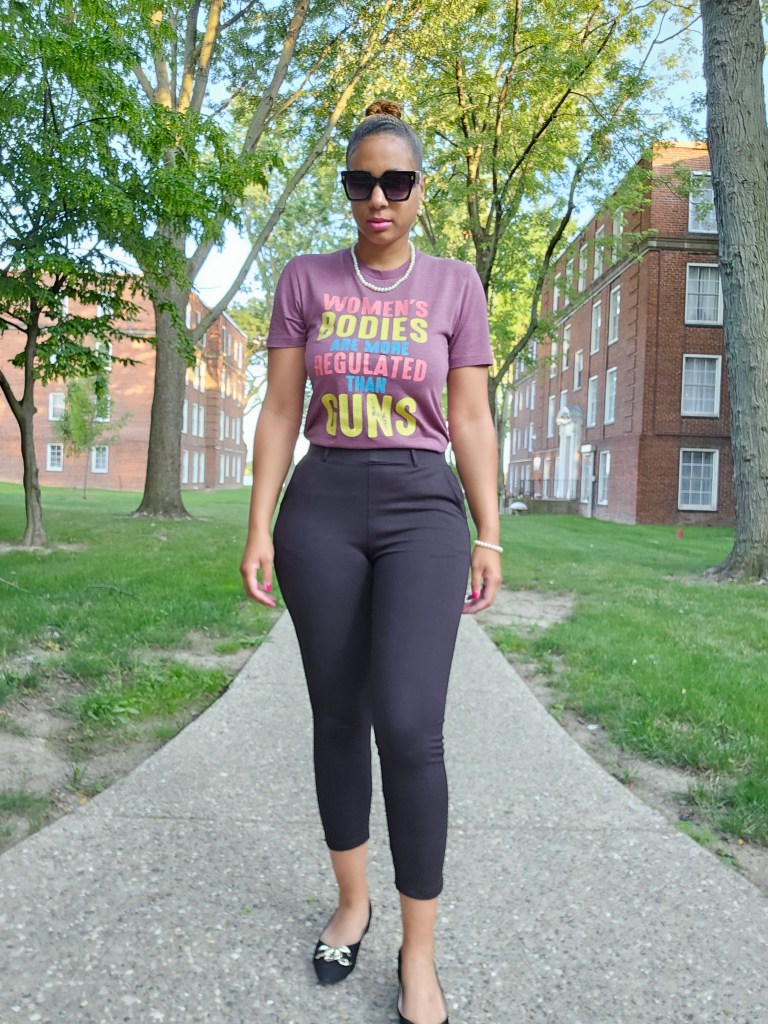
Whether she’s wearing a turtleneck with pearls or tight-fitting biker shorts, you still need consent. And if the answer is NO, that doesn’t mean convince her. No means no.
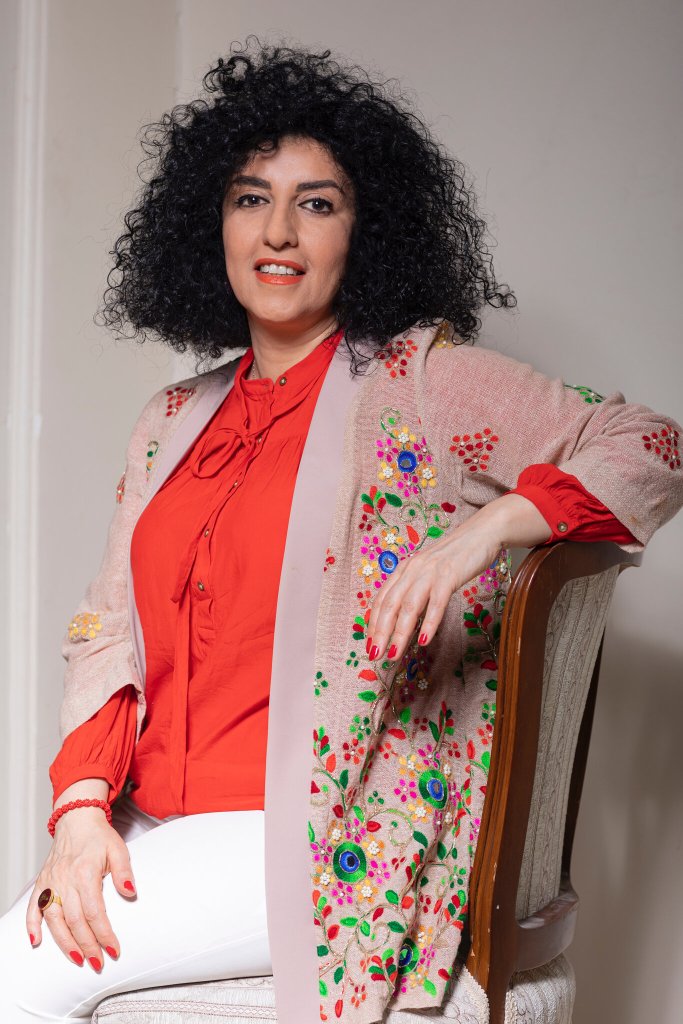
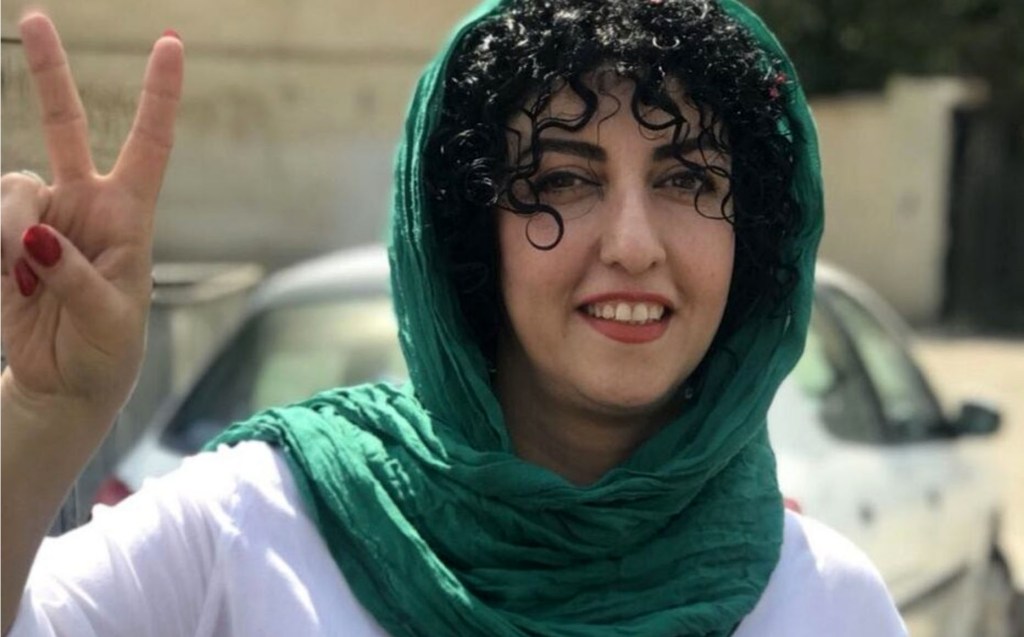
The Norwegian Nobel Committee has decided to award the Nobel Peace Prize for 2023 to Narges Mohammadi for her fight against the oppression of women in Iran and her fight to promote human rights and freedom for all. Her brave struggle has come with tremendous personal costs. Altogether, the regime has arrested her 13 times, convicted her five times, and sentenced her to a total of 31 years in prison and 154 lashes. Ms Mohammadi is still in prison as I speak.
In September 2022, a young Kurdish woman, Mahsa Jina Amini, was killed while in the custody of the Iranian morality police. Her killing triggered the largest political demonstrations against Iran’s theocratic regime since it came to power in 1979. Under the slogan “Woman – Life – Freedom”, hundreds of thousands of Iranians took part in peaceful protests against the authorities’ brutality and oppression of women. The regime cracked down hard on the protests: more than 500 demonstrators were killed. Thousands were injured, including many who were blinded by rubber bullets fired by the police. At least 20 000 people were arrested and held in regime custody.
The motto adopted by the demonstrators – “Woman – Life – Freedom” – suitably expresses the dedication and work of Narges Mohammadi.
Woman. She fights for women against systematic discrimination and oppression.
Life. She supports women’s struggle for the right to live full and dignified lives. This struggle across Iran has been met with persecution, imprisonment, torture, and even death.
Freedom. She fights for freedom of expression and the right of independence and against rules requiring women to remain out of sight and to cover their bodies. The freedom demands expressed by demonstrators apply not only to women but to the entire population.
In the 1990s, as a young physics student, Narges Mohammadi was already distinguishing herself as an advocate for equality and women’s rights. After concluding her studies, she worked as an engineer as well as a columnist in various reform-minded newspapers. In 2003, she became involved with the Defenders of Human Rights Center in Tehran, an organisation founded by Nobel Peace Prize laureate Shirin Ebadi. In 2011, Ms. Mohammadi was arrested for the first time and sentenced to many years of imprisonment for her efforts to assist incarcerated activists and their families.
Two years later, after her release on bail, Ms Mohammadi immersed herself in a campaign against the use of the death penalty. Iran has long been among the countries that execute the highest proportion of their inhabitants annually. Just since January 2022, more than 860 prisoners have been punished by death in Iran.
Her activism against the death penalty led to the re-arrest of Ms Mohammadi in 2015 and to a sentence of additional years behind walls. Upon her return to prison, she began opposing the regime’s systematic use of torture and sexualised violence against political prisoners, especially women, that is practiced in Iranian prisons.
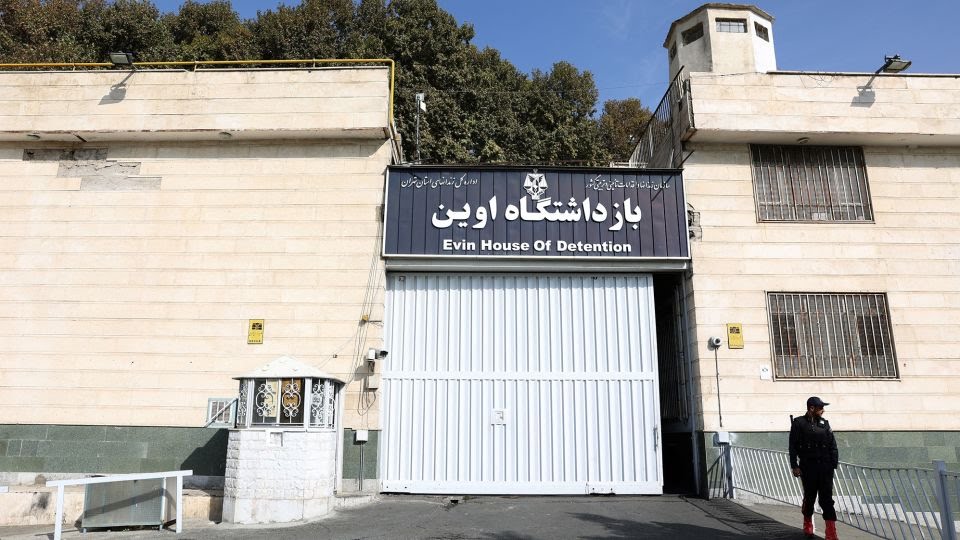
Last year’s wave of protests became known to the political prisoners held inside the notorious Evin prison in Tehran. Once again, Ms Mohammadi assumed leadership. From prison, she expressed support for the demonstrators and organised solidarity actions among her fellow inmates. The prison authorities responded by imposing even stricter conditions. Ms Mohammadi was prohibited from receiving calls and visitors. She nevertheless managed to smuggle out an article which the New York Times published on the one-year anniversary of Mahsa Jina Amini’s killing. The message was: “The more of us they lock up, the stronger we become.” From captivity, Ms Mohammadi has helped to ensure that the protests have not ebbed out.
Narges Mohammadi is a woman, a human rights advocate, and a freedom fighter. In awarding her this year’s Nobel Peace Prize, the Norwegian Nobel Committee wishes to honor her courageous fight for human rights, freedom, and democracy in Iran. This year’s Peace Prize also recognises the hundreds of thousands of people who, in the preceding year, have demonstrated against the theocratic regime’s policies of discrimination and oppression targeting women. Only by embracing equal rights for all can the world achieve the fraternity between nations that Alfred Nobel sought to promote. The award to Narges Mohammadi follows a long tradition in which the Norwegian Nobel Committee has awarded the Peace Prize to those working to advance social justice, human rights, and democracy. These are important preconditions for lasting peace.
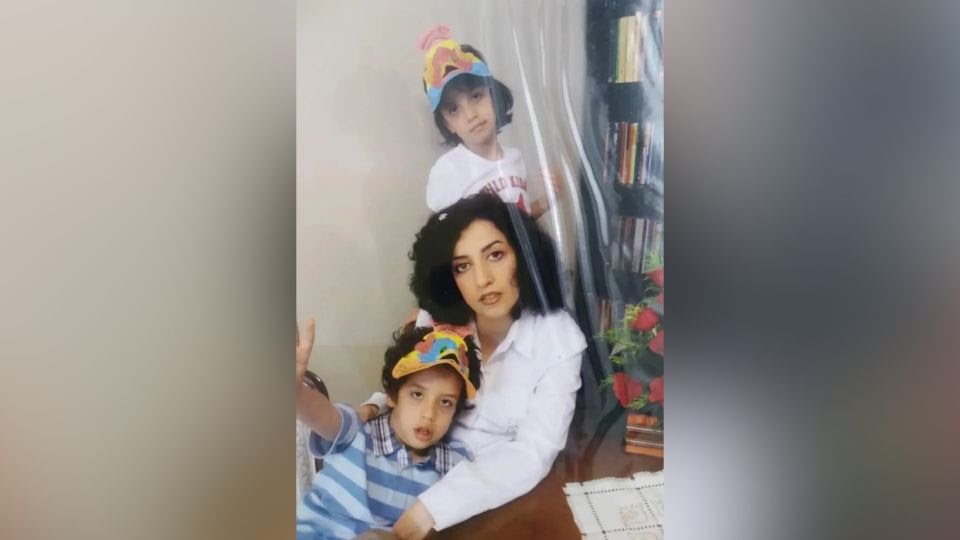
Narges Mohammadi is being held in the notorious Evin Prison in Tehran, Iran, pictured last October.Narges Mohammadi with her children, Kiana and Ali, in a picture taken earlier.
In 2023, we will come together again to grieve, rage, find joy and comfort in community with one another, and strategize for the fight for a feminist future.
When you’ve worked hard and done well and walked through that doorway of opportunity, you do not slam it shut behind you. You reach back, and you give other folks the same chances that helped you succeed.





 Sonique Louise Foundation