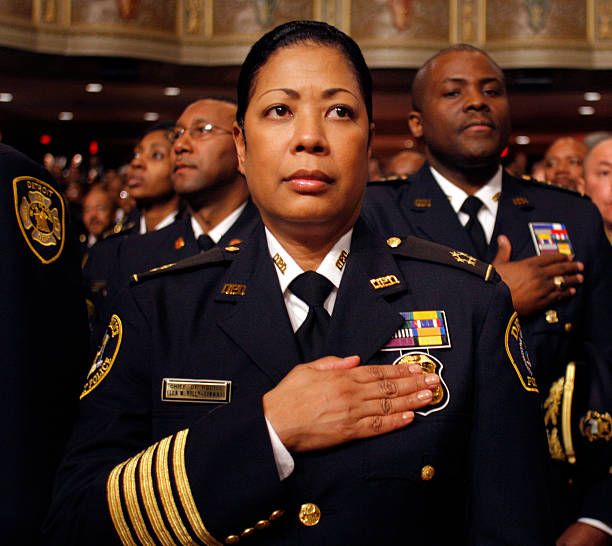
Ella Bully-Cummings

Black History Month is a time to recognize individuals whose leadership, resilience, and service have shaped communities in meaningful ways. Ella Bully-Cummings stands out as a powerful example of dedication to public safety, civic leadership, and progress.

Best known for her historic role as Detroit’s first female police chief, Bully-Cummings built a career defined by professionalism, accountability, and community engagement. Rising through the ranks of law enforcement required not only expertise but persistence. especially as a Black woman navigating spaces where representation was limited. Her leadership helped modernize policing practices while emphasizing trust between officers and the communities they serve.

Beyond her professional milestones, her story reflects broader themes central to Black history: perseverance, barrier-breaking achievement, and commitment to service. Leaders like Bully-Cummings remind us that progress often comes from those willing to challenge expectations and lead with integrity.

As we celebrate Black History Month, honoring figures such as Ella Bully-Cummings encourages reflection on how leadership, courage, and public service continue to shape stronger, more inclusive communities.


https://www.detroithistorical.org/learn/online-research/encyclopedia-of-detroit/bully-cummings-ella
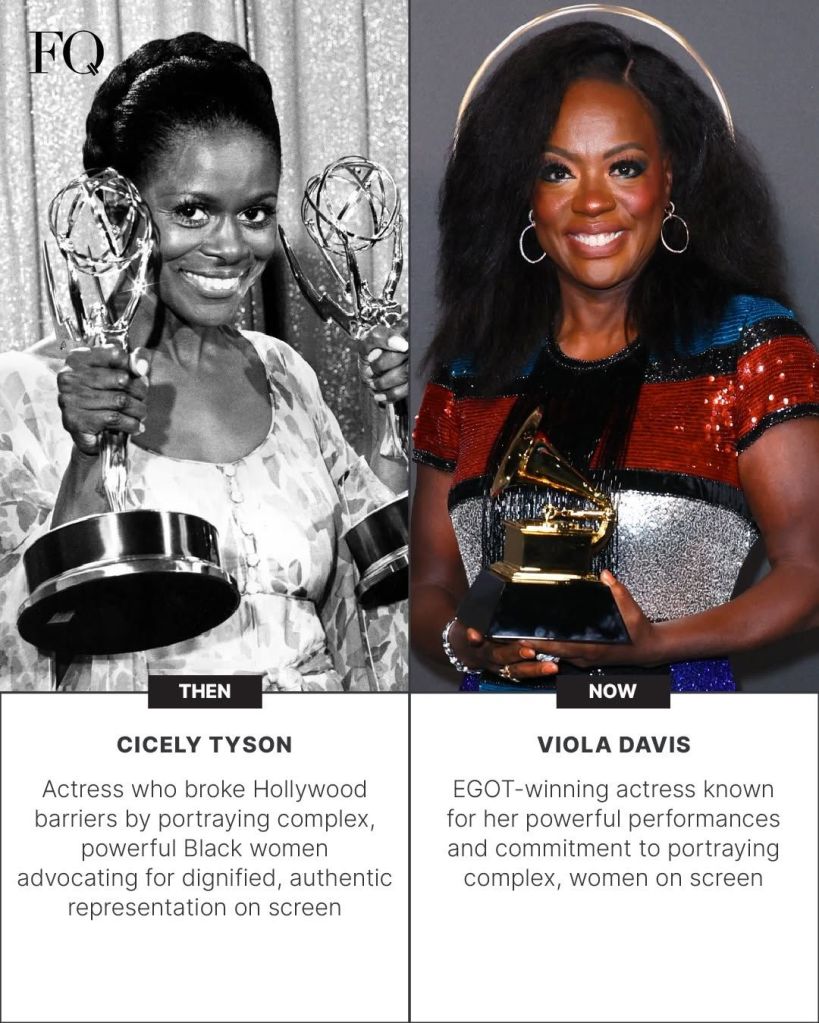

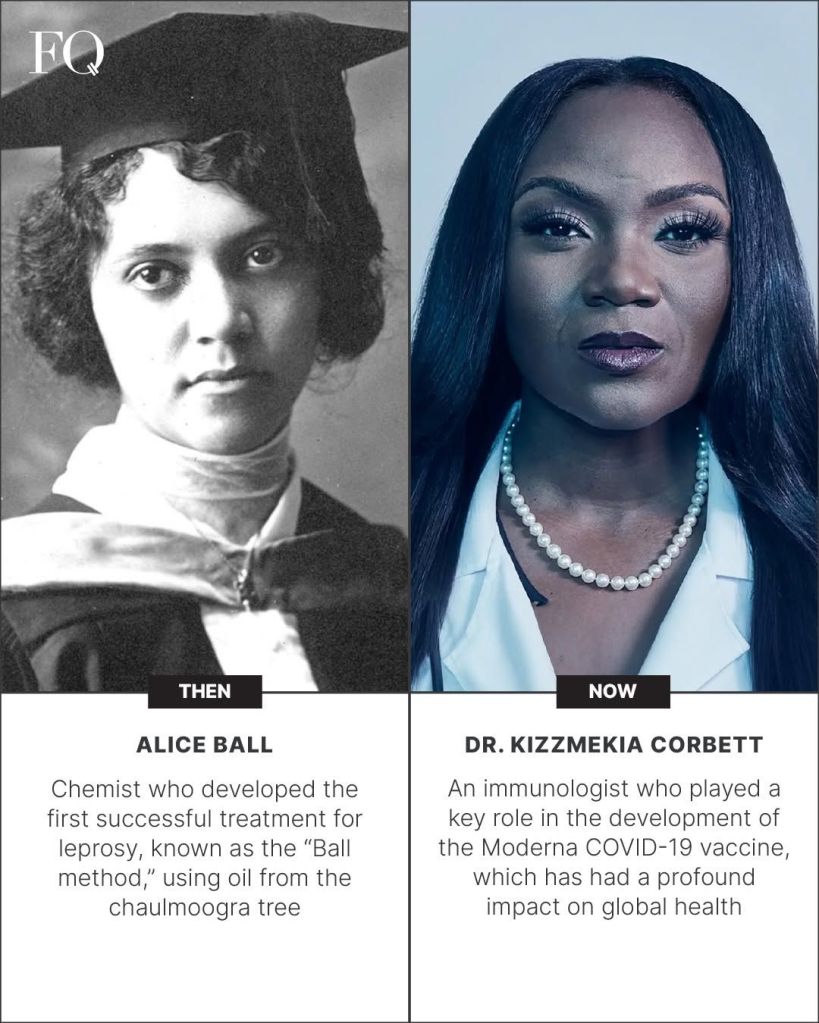
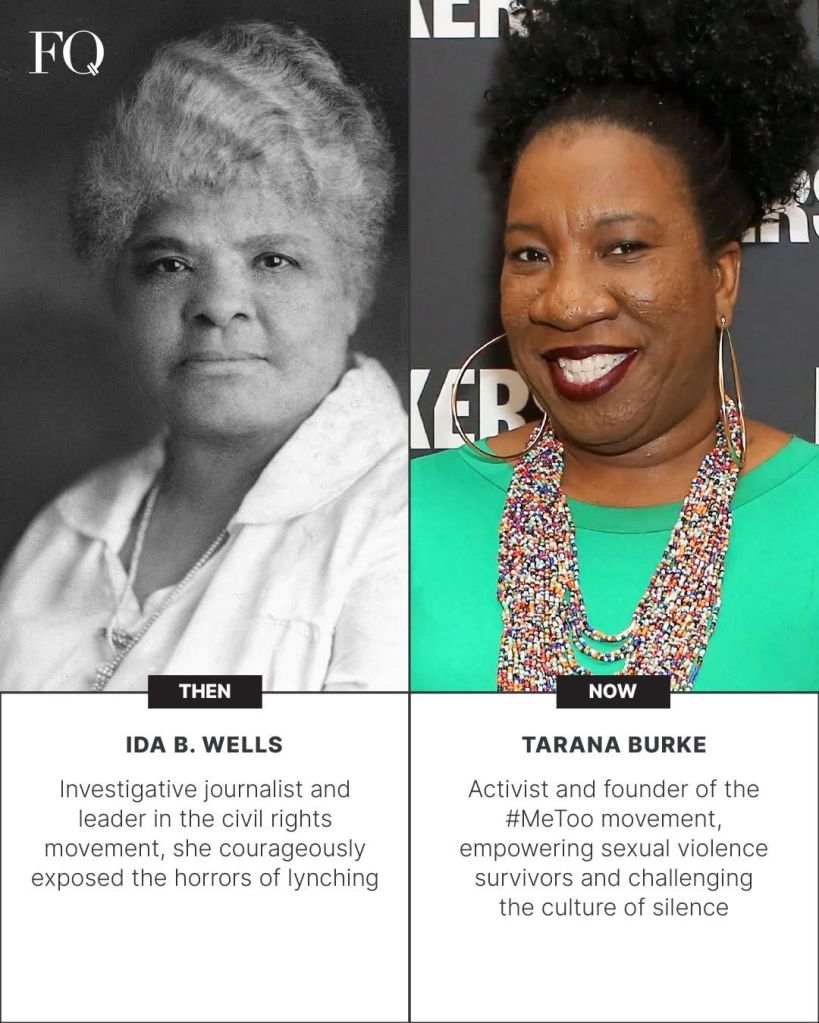
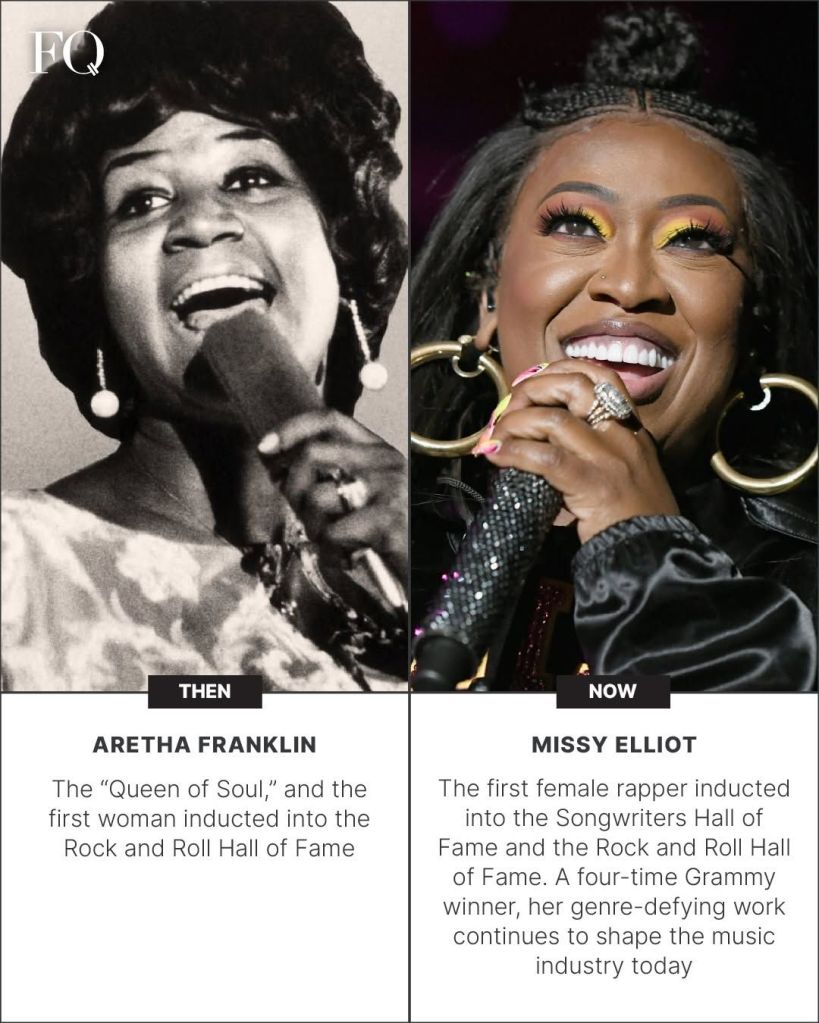
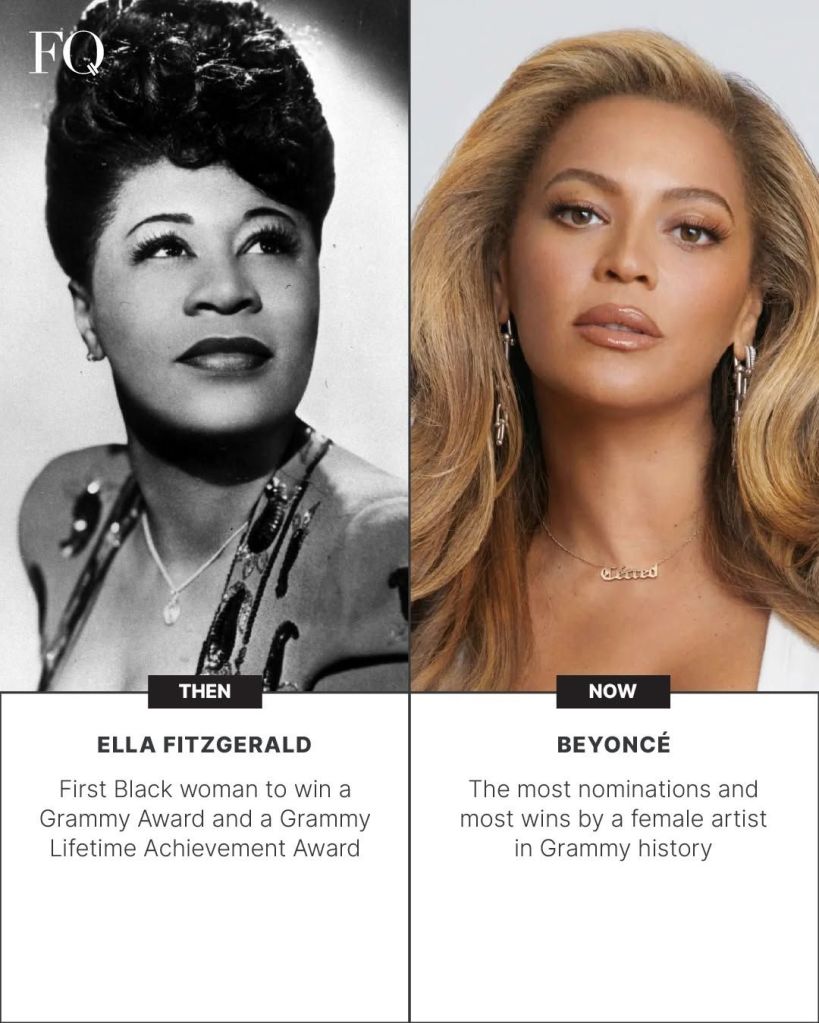
Women’s Black History

Female Quotient x Sonique Louise Foundation


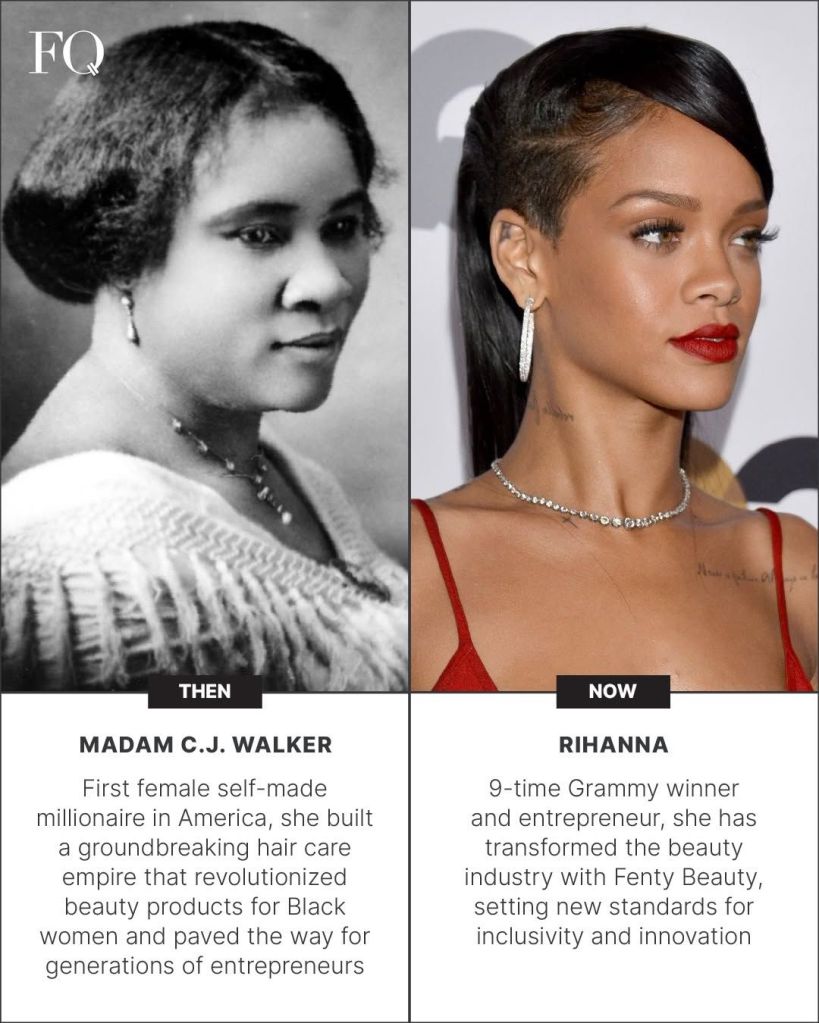
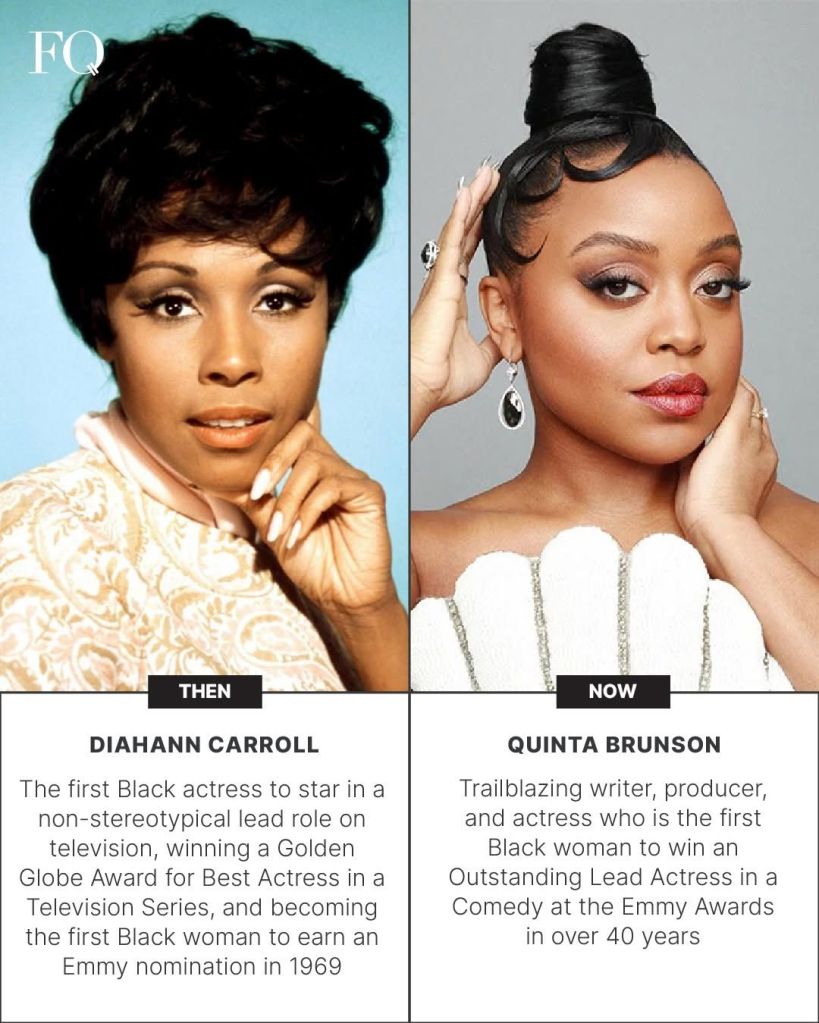
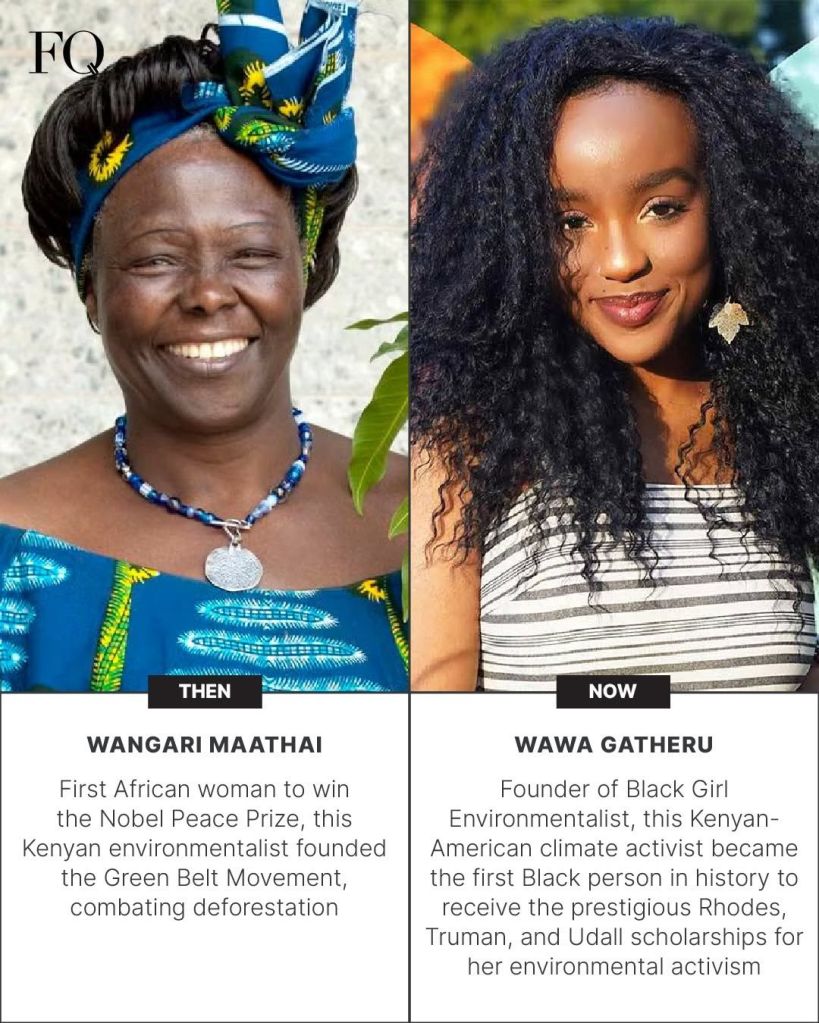
Women throughout history have shattered the glass ceiling, paving the way for future trailblazers.

To celebrate Black History Month, we’re featuring the women who came before us, and those who keep pushing boundaries and breaking records across industries.

Credit / Source: @femalequotient

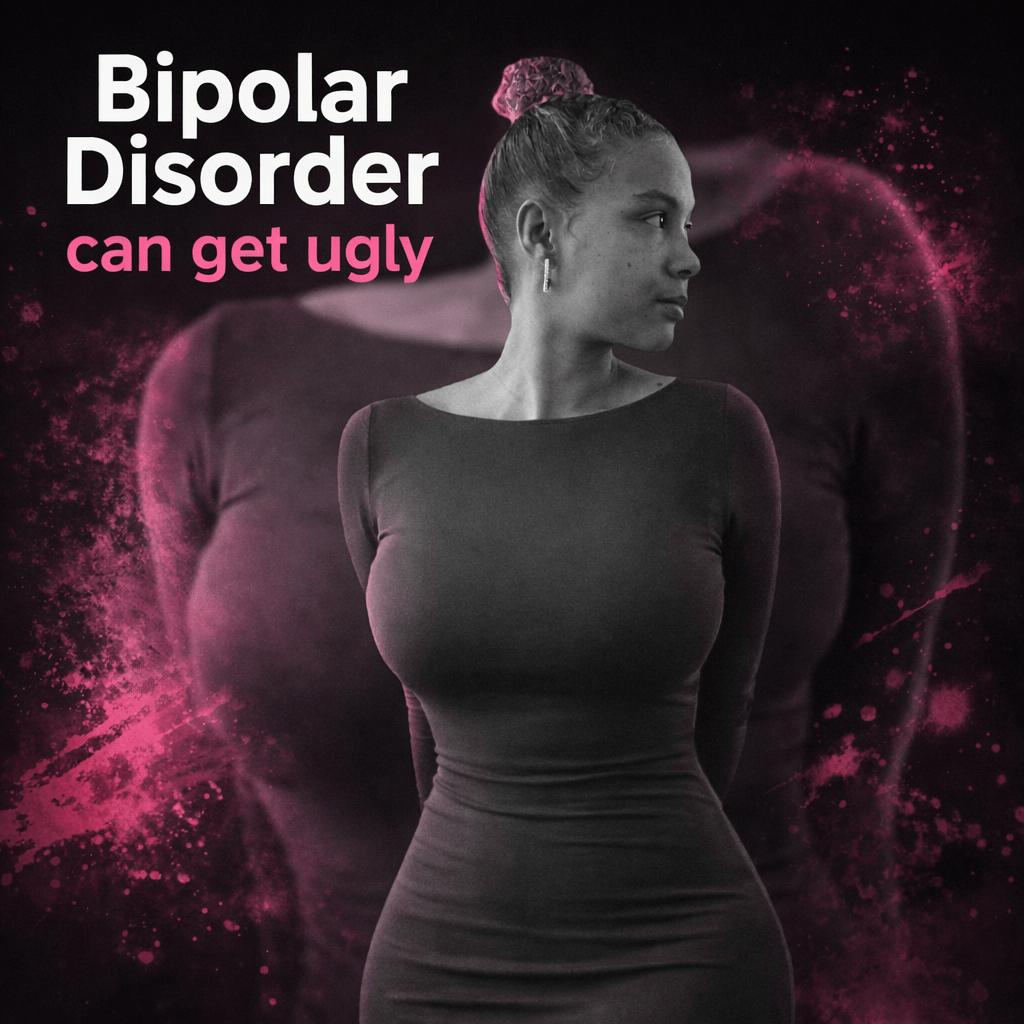
Bipolar Disorder can get ugly

Let’s talk about the ugly side of bipolar disorder. The parts people don’t like to hear or are too embarrassed to speak about.

It’s losing trust in your own mind. Constantly questioning whether your thoughts, emotions, or decisions are you or an episode forming. The manic highs and the depressive lows. It’s the shame after episodes. The apologies. The mistakes. The decisions that were made that don’t truly align with who you are as a person. The relationships strained or lost. Not from lack of love, but from a brain at war with itself. It’s isolation. Pulling away because you’re afraid of being a burden, while quietly needing connection the most.

It’s surviving moments you didn’t want to be here anymore and then having to learn how to live after that. Medication trials. Side effects. Acceptance. Resistance. Learning that stability isn’t weakness and needing help doesn’t erase strength. Even on good days, bipolar disorder leaves scars, hypervigilance, grief, and a level of self-awareness earned through pain.

I advocate because honesty saves lives. Because romanticizing this illness helps no one. Because survival is something to speak about, not hide. This is the ugly but necessary truth.

And I’m still here. Still growing. Still choosing to live. Walking right with you. Because, we are Stronger Together. 🤍


In mental solidarity,